
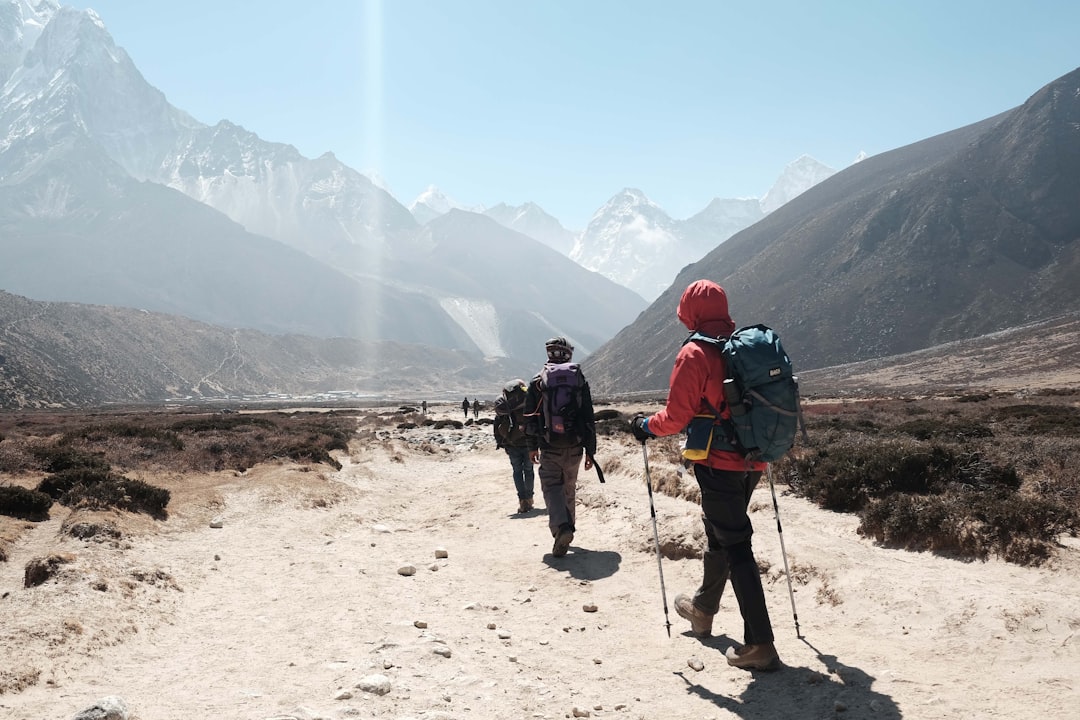
In an age where speed seems to be the ultimate goal, slowing down can be a radical act. The concept of slow travel is gaining momentum as travelers seek to savor their journeys rather than rush through them. One of the most rewarding ways to embrace this philosophy is through hiking. Hiking allows you to immerse yourself in nature, engage with local cultures, and truly disconnect from the fast-paced digital world.
Imagine a hiking trail where the destination is not the end point but the journey itself. Picture a path that meanders through lush forests, winds alongside serene rivers, and climbs to breathtaking vistas. The beauty of hiking is that it offers countless opportunities to experience this form of travel. Whether you’re exploring the verdant trails of the Pacific Northwest or wandering through the ancient pathways of the Camino de Santiago, each step is an invitation to slow down and absorb the world around you.
One of the most alluring aspects of slow travel through hiking is the chance to connect deeply with your surroundings. As you tread softly through the woods, you begin to notice the subtle sounds of the forest, the rustle of leaves, the chirping of distant birds, and the whispering wind. This mindful engagement with nature not only enhances your travel experience but also fosters a sense of tranquility and mindfulness.
Hiking also offers an opportunity to interact with local communities in a way that fast-paced travel does not. As you pass through villages, you can pause to engage with locals, learn about their customs, and perhaps even share a meal. This kind of cultural exchange enriches your journey and leaves a lasting impression.
Moreover, hiking is a budget-friendly way to explore the world. All you need is a good pair of hiking boots, a backpack, and a sense of adventure. There are no exorbitant hotel bills or costly transportation fees; the trail is your home, and nature is your guide. Even for those who prefer a bit more comfort, many trails offer charming lodges or eco-friendly accommodations that blend seamlessly with the natural environment.
For the environmentally conscious traveler, hiking is a perfect fit. With a focus on sustainability, many hiking destinations are committed to preserving the natural beauty of their trails. Hikers are encouraged to practice ‘Leave No Trace’ principles, ensuring that their journey leaves minimal impact on the environment.
So, how can you incorporate the principles of slow travel into your next hiking adventure? Start by choosing a trail that excites you, but also one that challenges you to step outside your comfort zone. Plan your journey with flexibility, allowing time to explore off the beaten path. Prioritize experiences over destinations, and remember that the most meaningful journeys often occur in the most unexpected places.
In conclusion, hiking is more than just a physical activity; it is an art form of travel that encourages mindfulness, cultural exchange, and environmental stewardship. By embracing the philosophy of slow travel, hikers can find not only the beauty of the natural world but also a deeper connection with themselves and the communities they encounter along the way. So, lace up your boots, pack your bag, and embark on a journey where every step is an adventure.